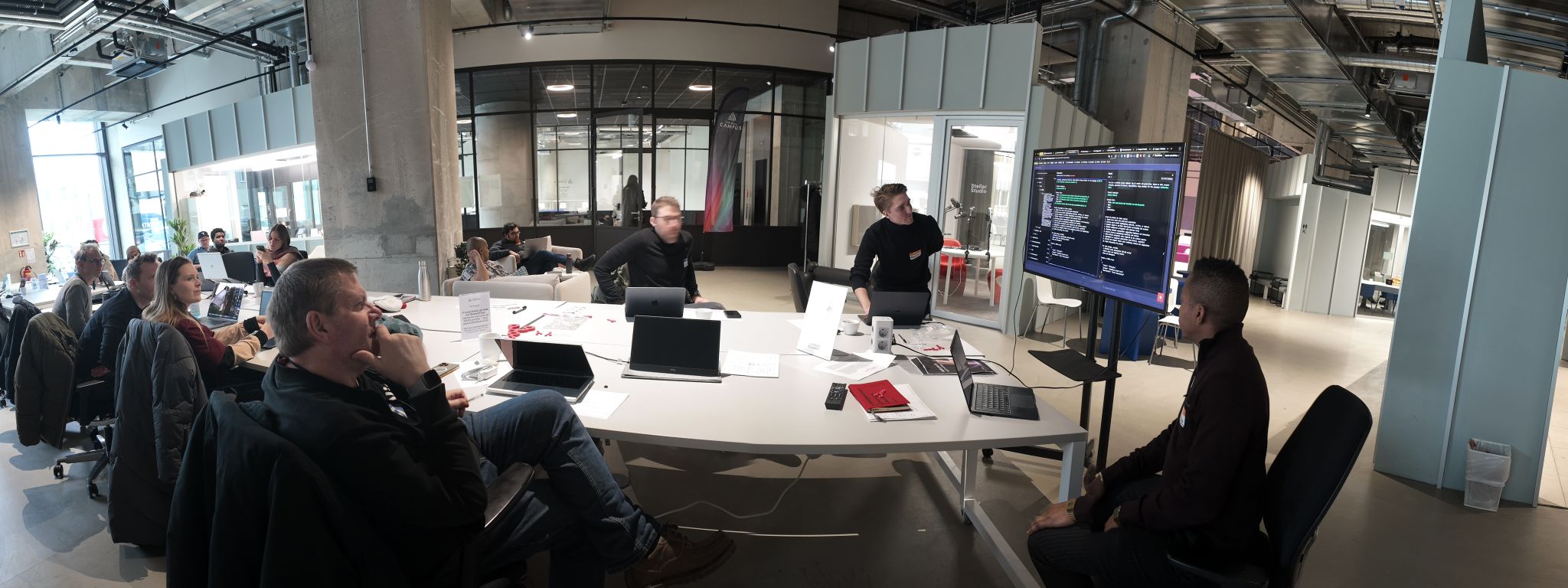
Henrik and I presented at n8n Coworking Berlin recently, on a topic we'd been building toward for a while: AI-powered ad generation. The demo — going from a raw product image to a finished ad creative in under two minutes, fully automated with n8n and Gemini — landed exactly the way we hoped. But the more interesting conversation happened after the demo ended.
The demo everyone remembers
The workflow itself is straightforward to describe and genuinely satisfying to watch: a product photo goes in, and a finished, on-brand ad creative comes out — no manual editing, no design software open, no waiting on a creative team's queue. n8n handles the orchestration, Gemini handles the generation, and the whole thing runs in under two minutes end to end.
The conversation that actually matters
Here's the pattern we're seeing play out across almost every engagement: the more tools a team adopts, the more pressure builds internally to justify the spend — not just on automation broadly, but on each individual piece of tooling. It's not enough to show that something works. Marketing leaders need to make the case, upward, that the tooling budget is earning its keep.
That means the real deliverable isn't just a working workflow. It's a clear answer to a very specific question: what's the ROI on this AI investment? Teams that can answer that clearly get more budget freed up to keep building. Teams that can't — even with genuinely impressive automation running in the background — struggle to defend the line item at renewal time.
What this changes about how we build
It's shifted how we scope engagements. Alongside every workflow we build now, we make sure there's a clear way to measure and report what it's actually saving or generating — because the tooling only stays funded if someone can point to the number.
Thanks to Marcel Claus-Ahrens for the original spark behind this build — it's the kind of idea that's more useful shared than kept.