How we started
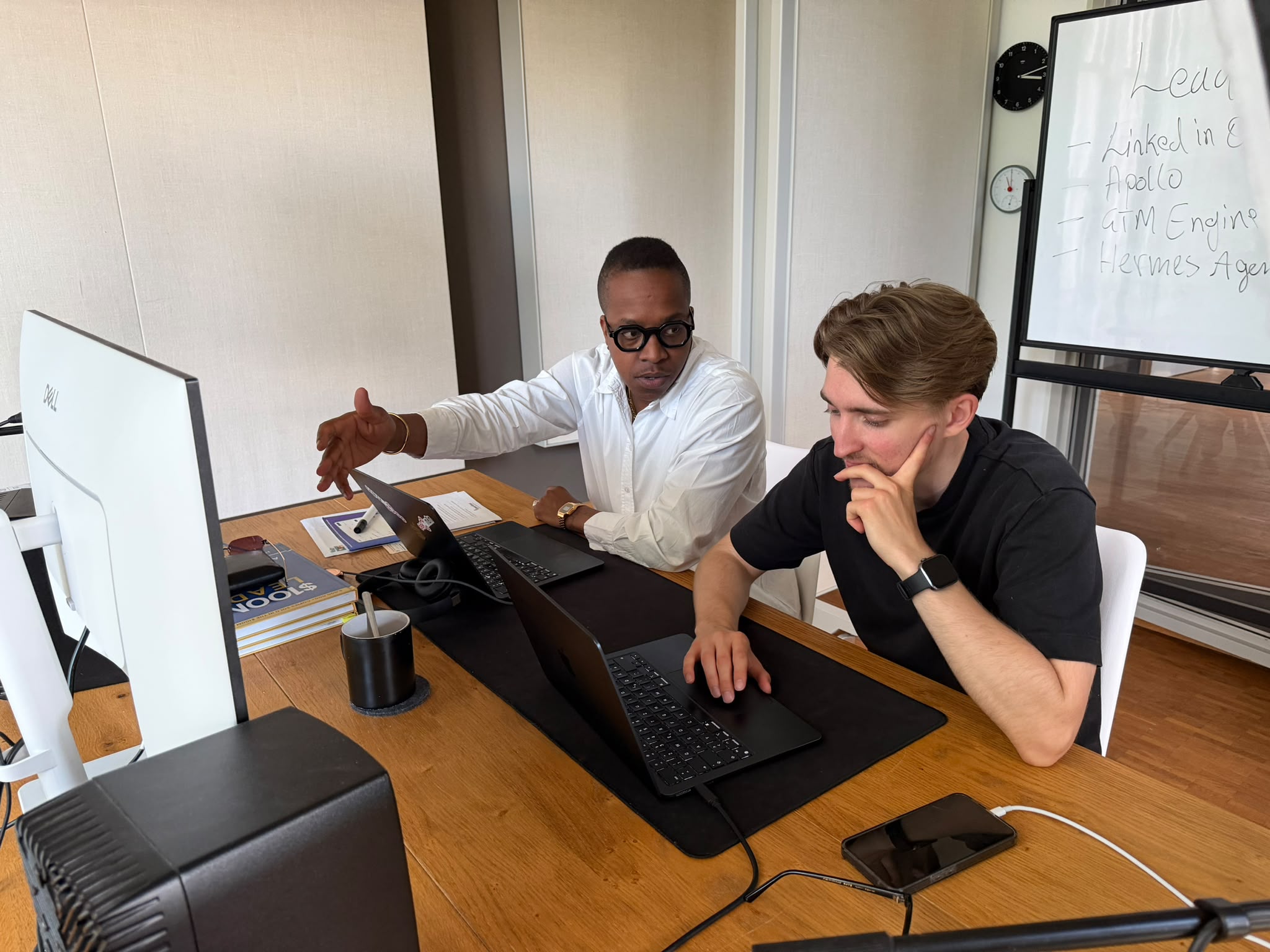
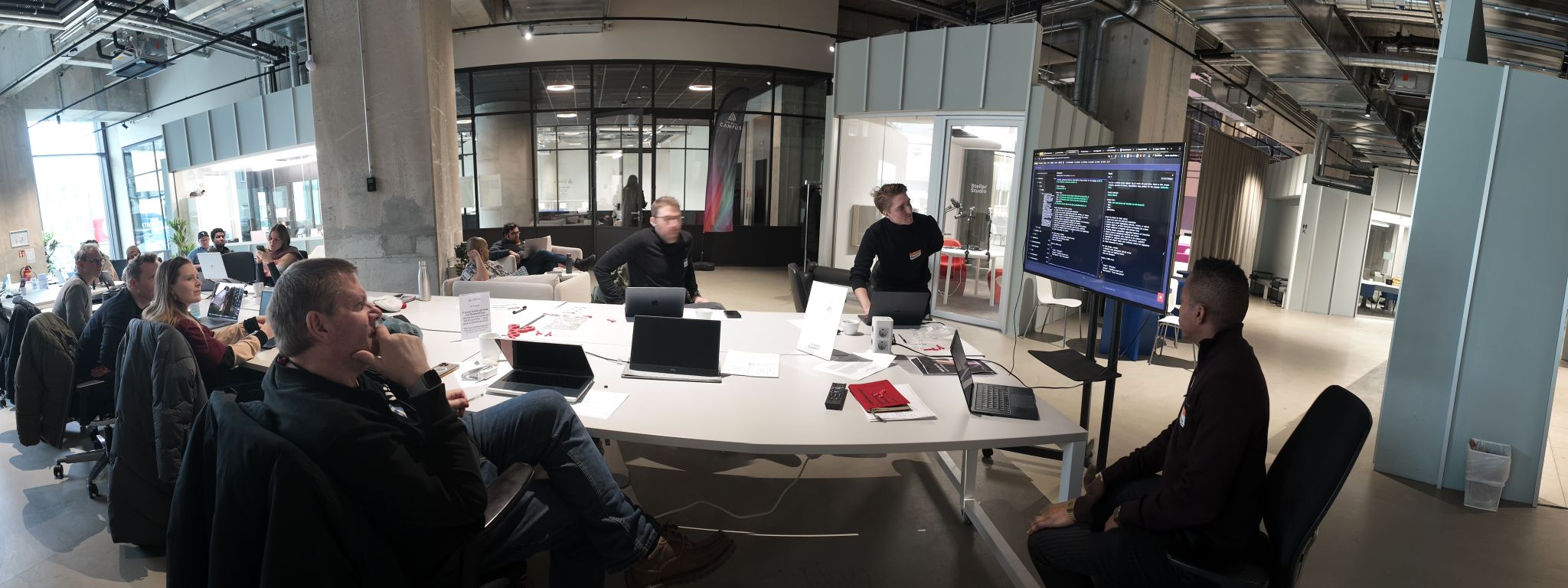
QONQA Integrated Solutions began the way most useful things do, out of curiosity. Patrick and Henrik met in an AI engineering course, both there for the same reason: they'd built careers in marketing and wanted to understand, properly, what these new AI tools could actually do once you got past the demos.
AI pulled them toward the technical side, Patrick drawn to the strategic, data-driven end of the business, Henrik pulled toward building things directly. That course turned into late-night conversations about where AI genuinely helped marketing teams and where it was mostly noise, and those conversations turned into QONQA.
How we work
Patrick brings a strategic, data-driven approach to consulting, the kind of thinking that comes from years in brand and business strategy, now applied with an engineer's instinct for how systems actually need to be built to hold up. Henrik is the builder of the two: obsessed with technology, most at home shipping something and seeing if it works, and someone who pivoted from marketing into AI engineering less by plan than by necessity: the tools he needed for his own work didn't exist yet, so he learned to build them.
That split, one partner thinking in strategy and systems, the other thinking in what can actually be shipped, is why the partnership works. Neither side gets built in isolation from the other.
Where we started
QONQA started as a two-person operation working out of a small, fairly isolated office in Berlin, no team, no fanfare, just two people building the systems they wished existed when they were still running marketing teams themselves. That's still the standard the work gets held to: would this actually help a marketing team, or is it just impressive in a demo?